Skip to content
SHE / PRODUCT PORTFOLIO

Valves & Actuators

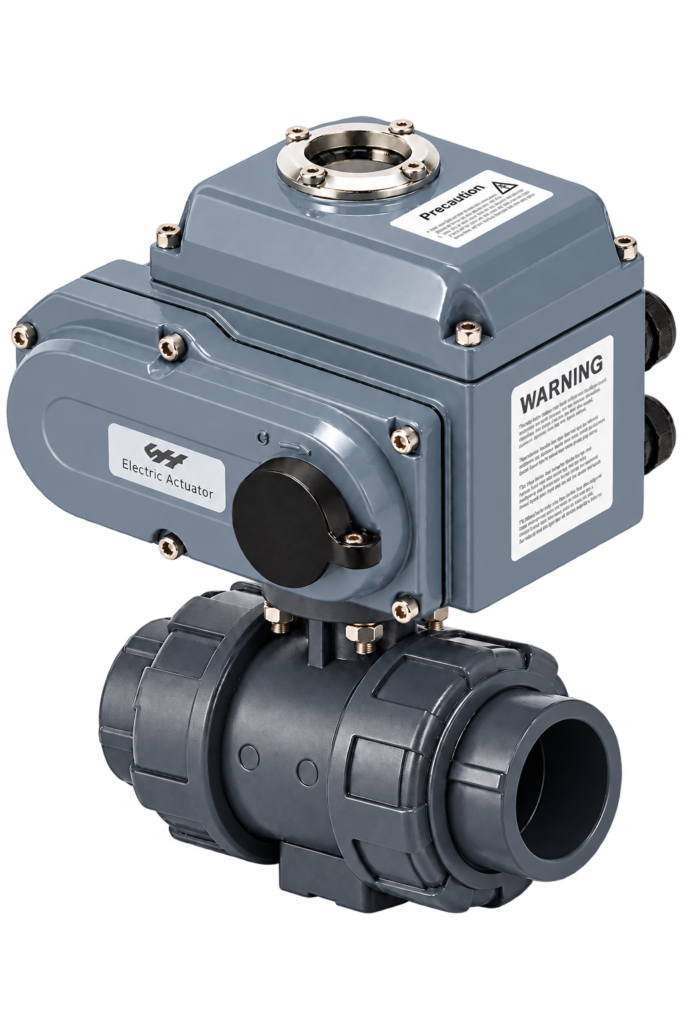
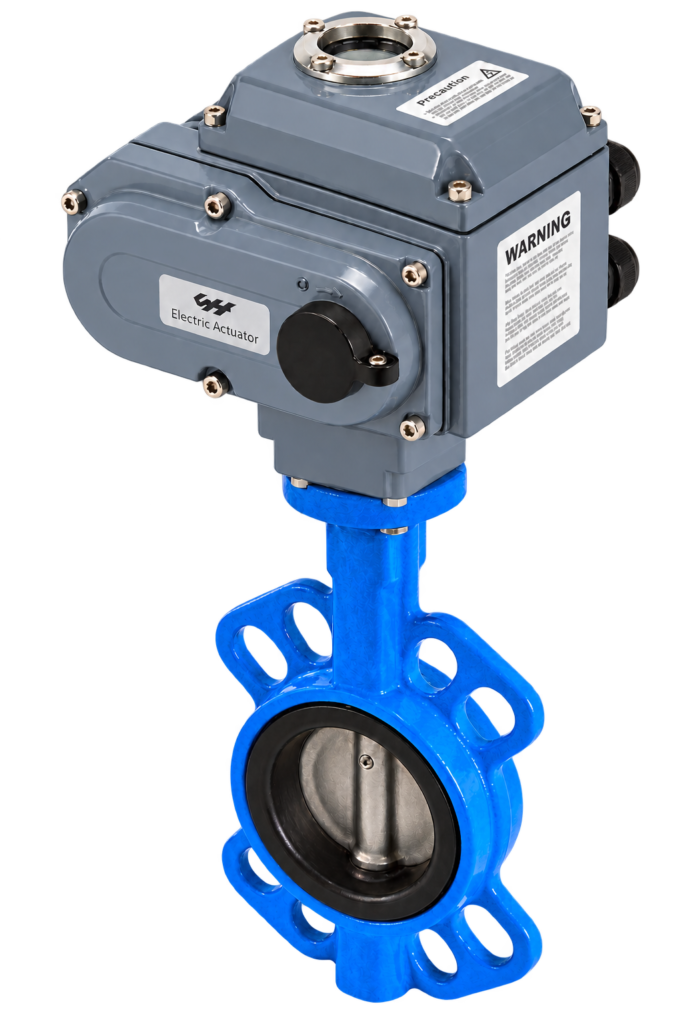
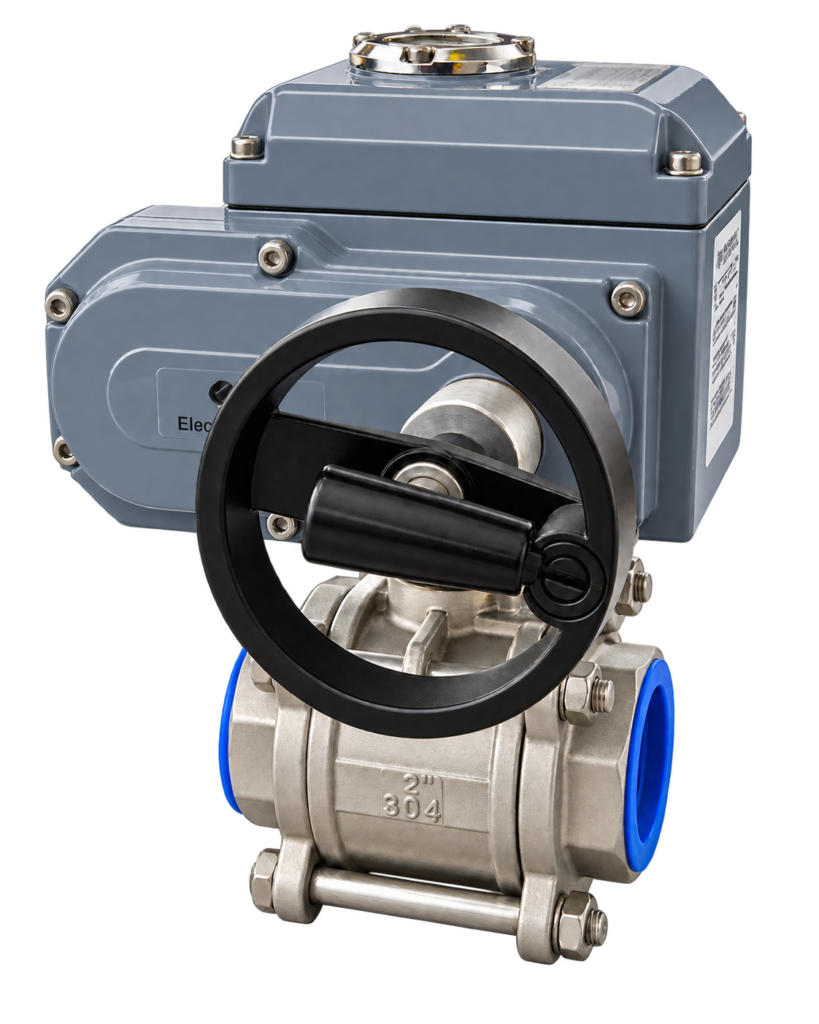
Explore electric and pneumatic actuators, automated ball and butterfly valves, angle-seat valves and control accessories. Compare product families and specify the configuration for your process.

SHE electric and pneumatic actuator product range

36 products

SELECTION GUIDANCE

Part-turn electric actuator selection

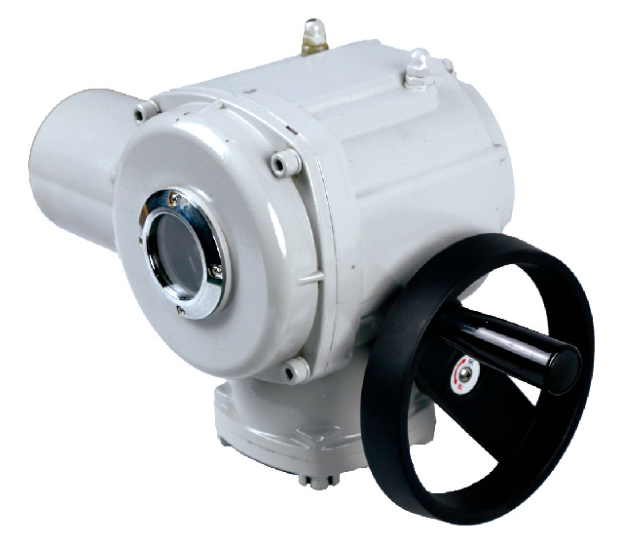
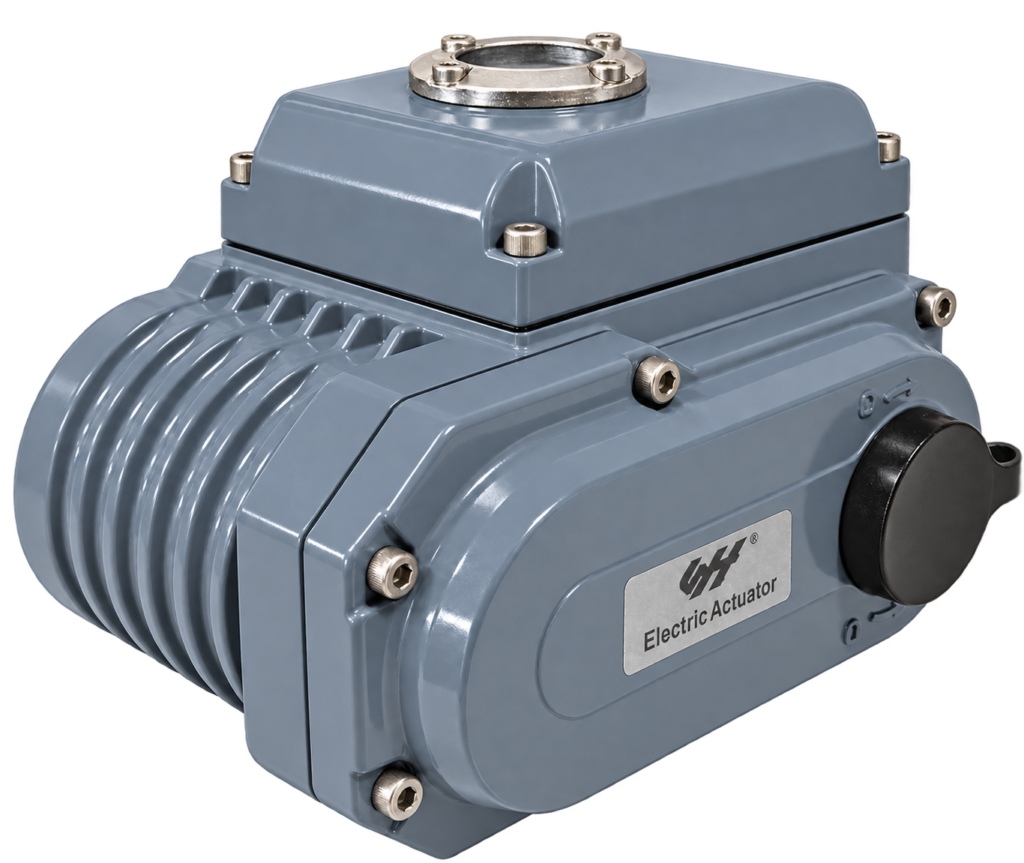
Part-turn actuators provide rotary travel for valves such as ball and butterfly valves. Match the required travel and output torque before considering the electrical and control options.

Valve load
Use the valve torque for the actual pressure, temperature and operating conditions. Check starting, running and seating loads, together with the valve’s allowable torque.
Travel and mounting
Provide the travel angle, mounting pattern, shaft dimensions and clearance for installation and manual operation.
Control and duty
Define isolation or modulating duty, operating time, movement frequency, supply voltage and required command and feedback signals.
Compare on-off and modulating duty

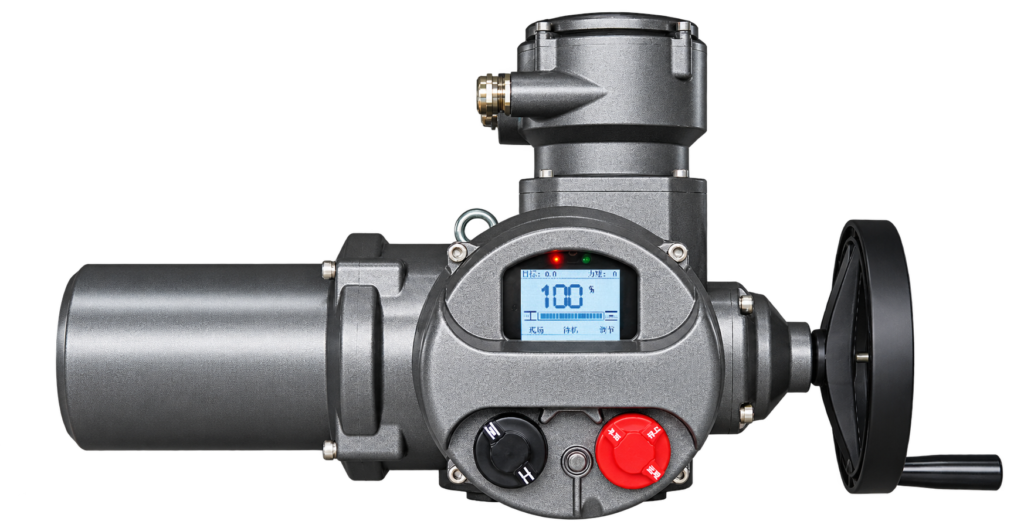
Multi-turn electric actuator selection

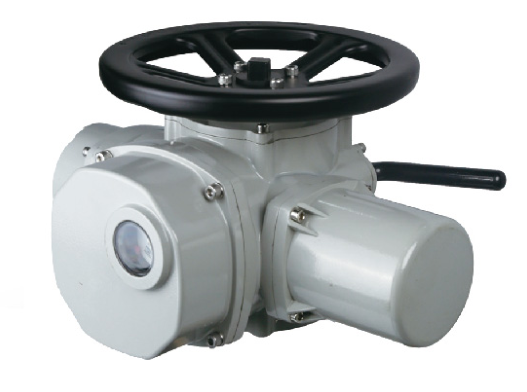
Multi-turn actuation delivers more than one output revolution. A gate or globe valve may require both rotational input and control of axial stem load, so the complete drive arrangement matters.

Torque, thrust and travel
Provide the valve’s torque or thrust data, total travel and number of output turns. State the stem arrangement and any gearbox or thrust-unit requirements.
Speed and duty
Relate the required opening time to output speed and total turns. Include starts per hour and the intended isolation or positioning duty.
Installation and controls
Check stem clearance, mounting dimensions, power supply, local controls and remote feedback. Request the correct torque- and travel-setting procedure for the selected assembly.
Review actuator sizing inputs

Pneumatic actuator selection

Pneumatic actuators use compressed air to move a valve. For rack-and-pinion designs, piston movement drives a rotary output shaft. Selection depends on valve load and the air pressure available at the actuator.

Air supply and torque
Use the minimum available pressure at the actuator during movement. Ask for the output torque data for the selected arrangement, rather than choosing from the compressor pressure alone.
Loss-of-air response
Specify whether the valve should remain in position, open or close. Double-acting and spring-return arrangements behave differently; confirm the full actuator and control circuit.
Accessories and interface
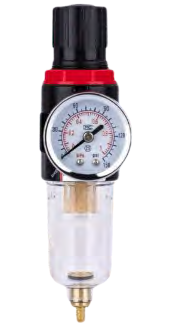
Identify the need for a solenoid valve, position indication or positioner. Confirm air connections, mounting details, travel and the required opening and closing times.
Compare electric and pneumatic actuation

Ratings, options and dimensions depend on the selected configuration. Confirm the final datasheet before ordering.

Your process. Your requirements.
Let’s find the right configuration.

Send your valve details and operating conditions to SHE.

Request a Quote
Request a Quote