Skip to content
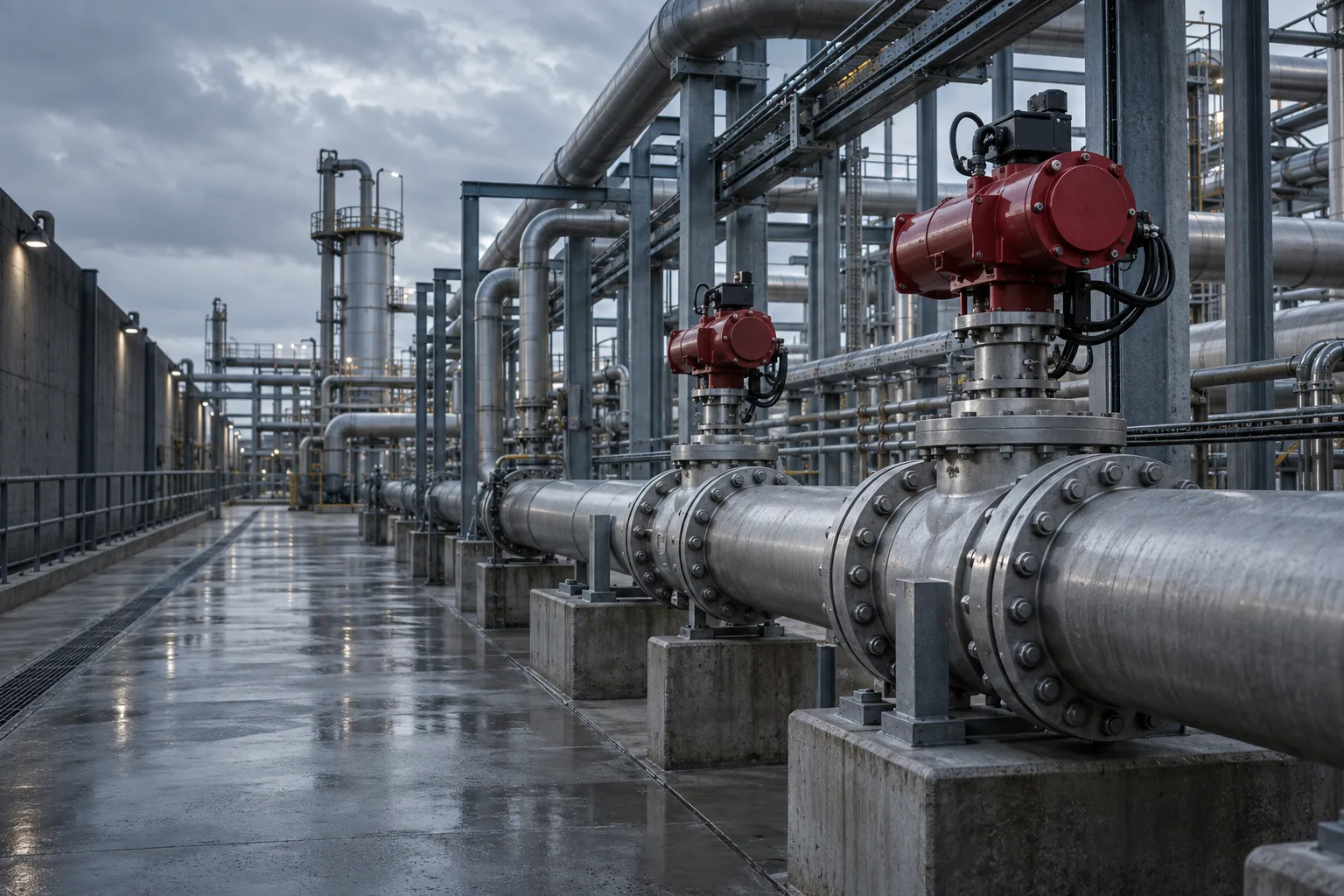
AI-generated industrial utility pipe gallery with red valve actuators.
APPLICATIONS / VALVE AUTOMATION

Valve Automation for
Industrial Applications

Connect your process requirements with the right actuation approach. Explore industry considerations, actuator types and the details that help SHE review your application.

Your industry. Your valve. Your operating conditions.Explore the application → Review actuation options → Share your requirements
EXPLORE BY INDUSTRY

Start with your application.

Find the relevant process, then focus on the valve motion, load, controls and installation environment.

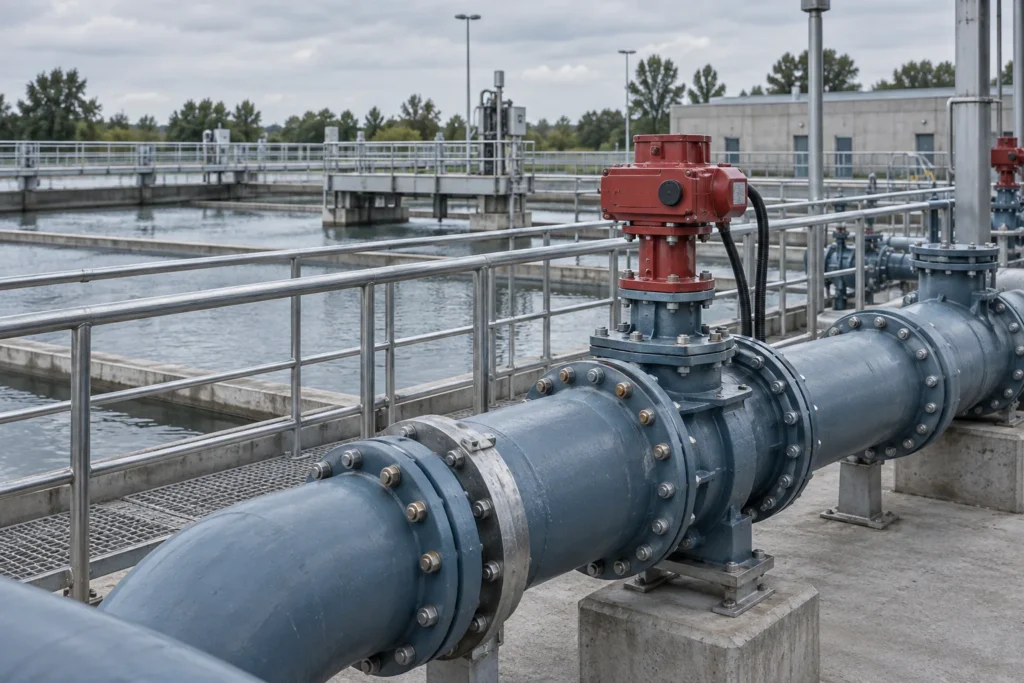
AI-generated water treatment scene with flanged pipes and a valve actuator.
Application illustration · AI-generated
01 / TREATMENT / DISTRIBUTION / PUMPING

Water & Wastewater

From treatment lines to pump stations and filter backwash systems, start with how the valve needs to move and how often it operates. Match the actuator to the valve load, available power and site controls.

Key selection considerations

Valve duty
Identify isolation or positioning duty, valve torque or thrust, and the expected cycles per hour.
Site environment
Describe outdoor exposure, flood or submersion requirements, solids in the medium and maintenance access.
Control & feedback
Define local or remote operation, position indication, operating time and the response to supply loss.

Actuation starting points

For rotary butterfly or ball valves, explore part-turn actuation. For valves needing multiple output turns, review the multi-turn range with the valve and gearbox data.

Discuss Your Water Application
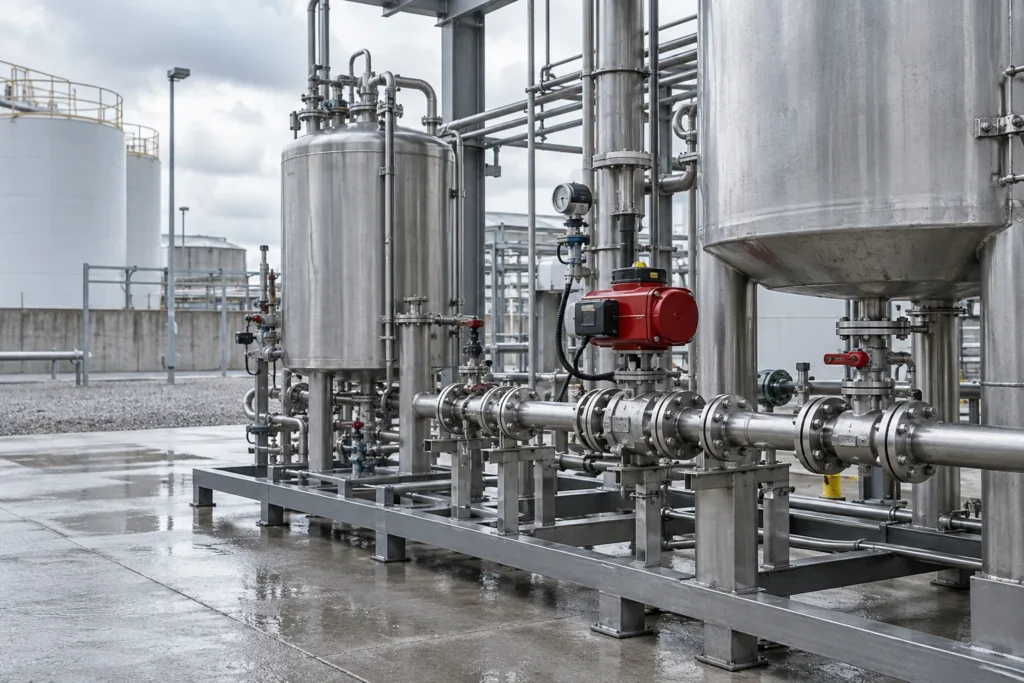
AI-generated chemical process skid with stainless vessels and actuated piping.
Application illustration · AI-generated
02 / TRANSFER / DOSING / PROCESS ISOLATION

Chemical & Process Systems

Process transfer and dosing systems need the valve, actuator and controls to work as one assembly. Provide the medium and material requirements together with the required valve action, rather than selecting from the actuator exterior alone.

Key selection considerations

Medium & valve
Provide concentration, pressure, temperature and cleaning conditions so valve body, seat and seal compatibility can be reviewed.
Energy & control
Specify electrical supply or available air pressure, on-off or modulating control, signals and movement frequency.
Installation requirements
Identify area classification, environmental exposure and required documentation for the exact proposed configuration.

Actuation starting points

For rotary valves, compare pneumatic and part-turn electric actuation against the available utilities and required control behaviour. A defined failure action requires a suitable complete configuration.

Discuss Your Process Application
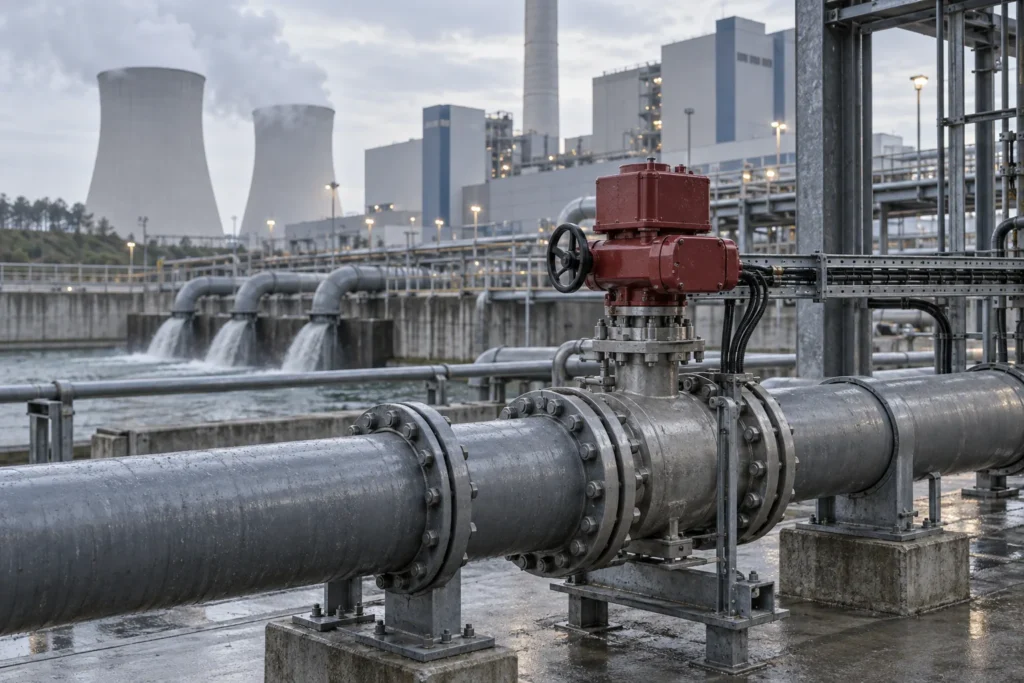
AI-generated power station cooling-water pipework with a valve actuator.
Application illustration · AI-generated
03 / COOLING WATER / AUXILIARY SYSTEMS / UTILITIES

Power & Utilities

Cooling-water circuits and auxiliary utility lines can have very different operating duties. Share the actual valve load, process conditions and plant control requirements to establish a suitable actuation starting point.

Key selection considerations

Operating envelope
Provide normal and maximum pressure and temperature, valve size, torque or thrust, and required operating time.
Duty & supply
State starts per hour, positioning duty, available voltage and any gearbox or mounting requirements.
Plant integration
Define feedback signals, local controls, inspection documents and the response required after loss of power or command.

Actuation starting points

Review part-turn electric actuation for rotary valves and multi-turn electric actuation where the valve requires multiple output turns. Confirm the mounting interface and load across the full travel.

Discuss Your Utility Application
OTHER INDUSTRY REQUIREMENTS

A different process?
Start the conversation.

Factory utility hall with stainless steel process pipework, valves and pump systems.

General Industries

Factory water, compressed-air and utility lines. Share available energy, installation space and the required control interface.

Discuss Requirements
Oil and gas storage tanks with transfer pipelines and isolation valves.

Oil & Gas

For storage and transfer requirements, identify area classification, documentation and the required failure response before discussing equipment.

Discuss Requirements
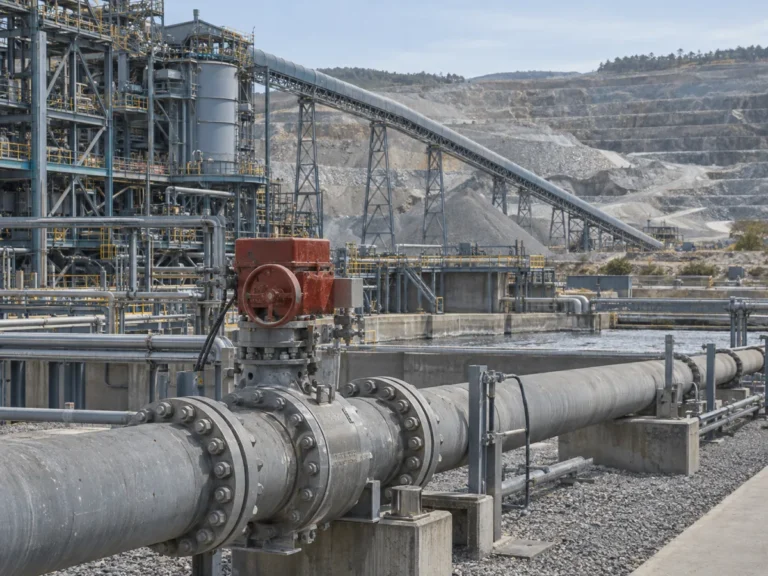
Mineral processing facility with slurry pipework, a conveyor and a terraced open-pit mine.

Mining & Mineral Processing

For process-water and solids-handling valve duties, provide the valve load, cycling rate and exposure to dust, moisture and abrasive media.

Discuss Requirements

Industry images are conceptual illustrations, not customer project photographs. Suitability, ratings and approvals must be checked for the proposed configuration and service.

ACTUATOR OPTIONS

Match the motion.
Then define the control.

The industry is a starting point. The valve load, movement, supply and operating duty determine the selection.

01 / ROTARY VALVES

Part-Turn Electric

Explore electric actuation for valves requiring a limited rotary movement. Confirm output torque, operating time, duty and control options.

Explore Part-Turn
02 / MULTIPLE OUTPUT TURNS

Multi-Turn Electric

Review actuation for valves requiring multiple turns. Specify torque or thrust, stem arrangement, travel and any gearbox interface.

Explore Multi-Turn
03 / COMPRESSED-AIR SUPPLY

Pneumatic Actuation

Compare air-driven rotary actuation using available air pressure, valve torque and the required response to loss of supply.

Explore Pneumatic
PREPARE YOUR INQUIRY

Bring the details.
We’ll help with the next step.

Send the information you have. Leave unknown values open so they can be clarified during the application review.

  1. Valve & loadValve type, size, torque or thrust, mounting and travel.
  2. Control & operating dutyOn-off or modulating, cycle rate, operating time and feedback.
  3. Supply & environmentVoltage or air pressure, ambient conditions and failure response.
  4. Process & documentsMedium, pressure, temperature, valve data and site requirements.
APPLICATION QUESTIONS

A clearer starting point.

What information is needed to select an actuator?

Start with valve type, torque or thrust across travel, mounting interface, required movement and operating time. Add supply, duty, control signals, installation environment and required failure response. The actuator sizing guide provides a checklist.

Should I choose electric or pneumatic actuation?

Compare the available electrical or compressed-air supply, valve load, control duty and the complete installation. Include the required response to loss of energy and the supporting control hardware. Read the electric vs pneumatic guide.

How do on-off and modulating duties differ?

On-off duty moves the valve between end positions. Modulating duty positions it between those limits to meet a control demand. Specify movement frequency, positioning requirements and feedback so the actuator duty can be reviewed.

What happens if power or air supply is lost?

The response depends on the complete configuration. State whether the valve must remain in position, open or close. A return mechanism or stored-energy arrangement may be needed; the energy source alone does not guarantee a defined failure position.

Your process. Your requirements.
Let’s find the right configuration.

Send your valve details and operating conditions to SHE.

Request a Quote
Request a Quote