
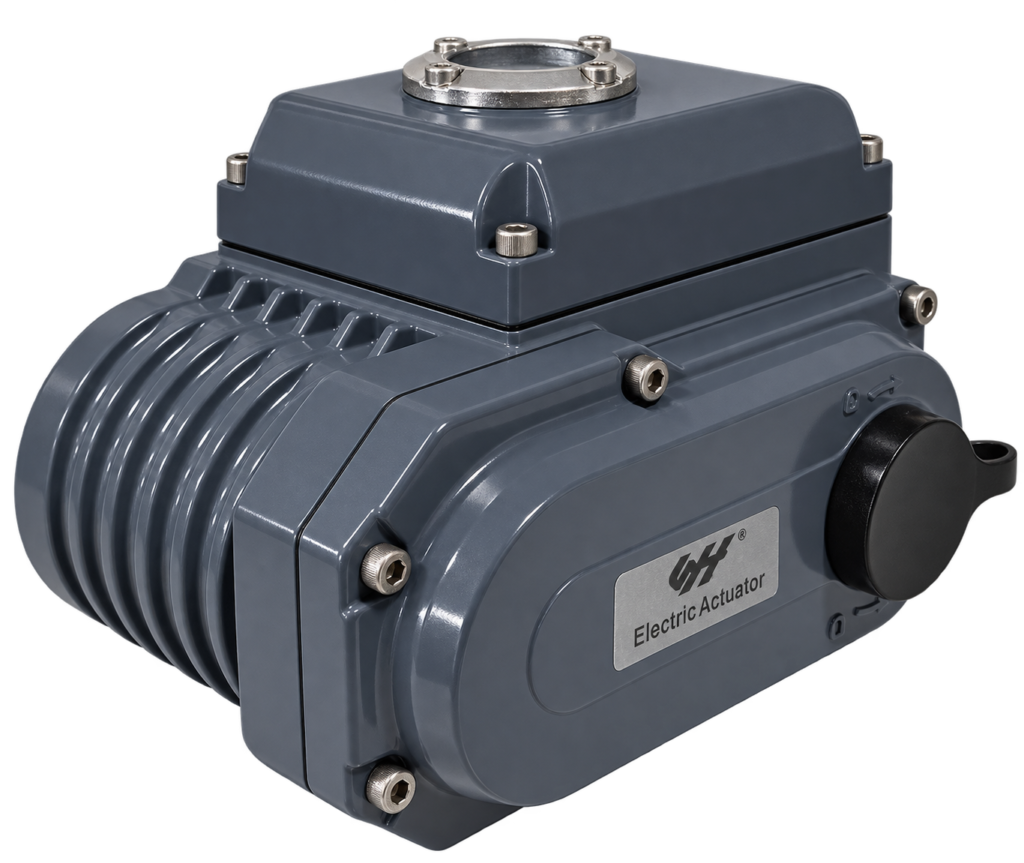
Part-Turn Electric Actuators
Electric rotary drives for ball valves, butterfly valves and dampers. Compare compact, industrial and geared configurations by output torque, travel, control duty and mounting.
Explore Range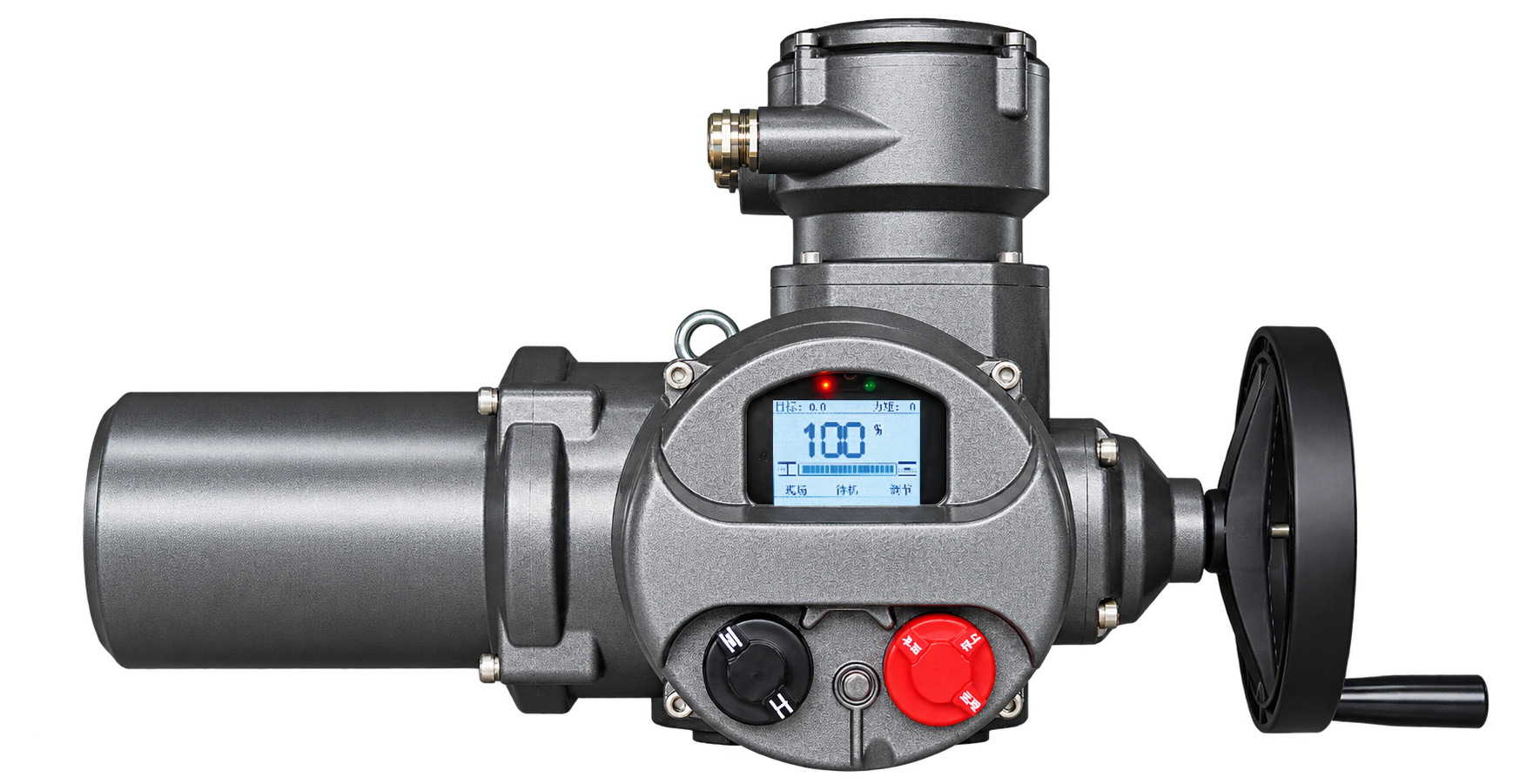
Your valve. Your operating conditions.
Find the actuation that brings them together.
SHE presents electric and pneumatic actuators, automated ball and butterfly valves, angle-seat and control valves, and valve automation accessories. Selection begins with the process rather than a photograph or nominal valve size. A useful enquiry identifies the medium, valve type and size, pressure, temperature, required motion, available electrical supply, control mode, operating frequency, mounting details and intended response to power or signal loss. SHE can then discuss an actuator-only requirement or a complete valve-and-actuator assembly. Ratings, dimensions, materials, environmental protection, certifications and control options remain configuration-specific, so the website does not treat a product image as a specification. Before ordering, request the current datasheet, dimensional drawing, wiring information and applicable certificates for the exact proposed configuration. The online guides explain how to prepare those inputs; they are general selection guidance and do not replace project engineering approval.
Actuator-only or a complete valve assembly. Explore the product families and tell us what your process needs.

Electric rotary drives for ball valves, butterfly valves and dampers. Compare compact, industrial and geared configurations by output torque, travel, control duty and mounting.
Explore Range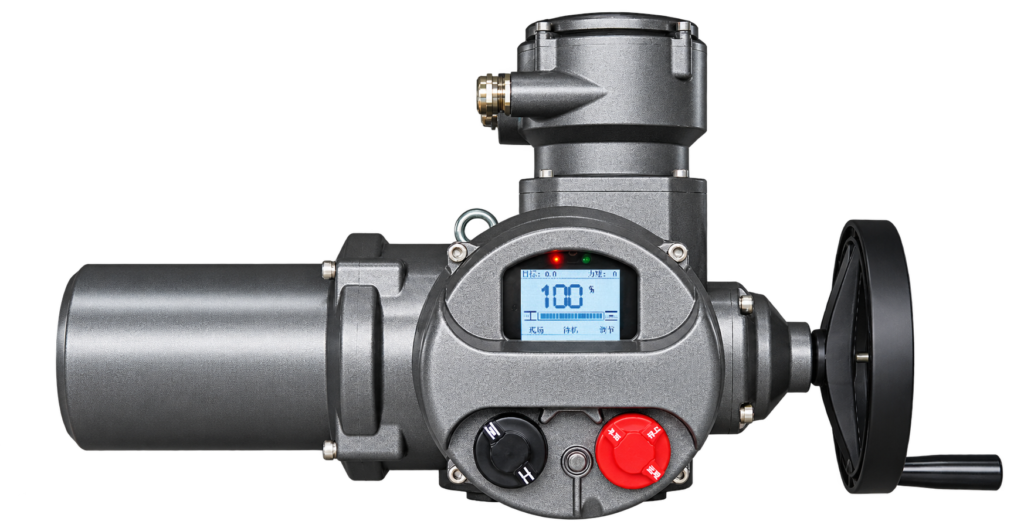
Electric drives for valves requiring multiple output turns. Compare compact and side-handwheel arrangements using torque, thrust, stem clearance, output speed and control requirements.
Explore Range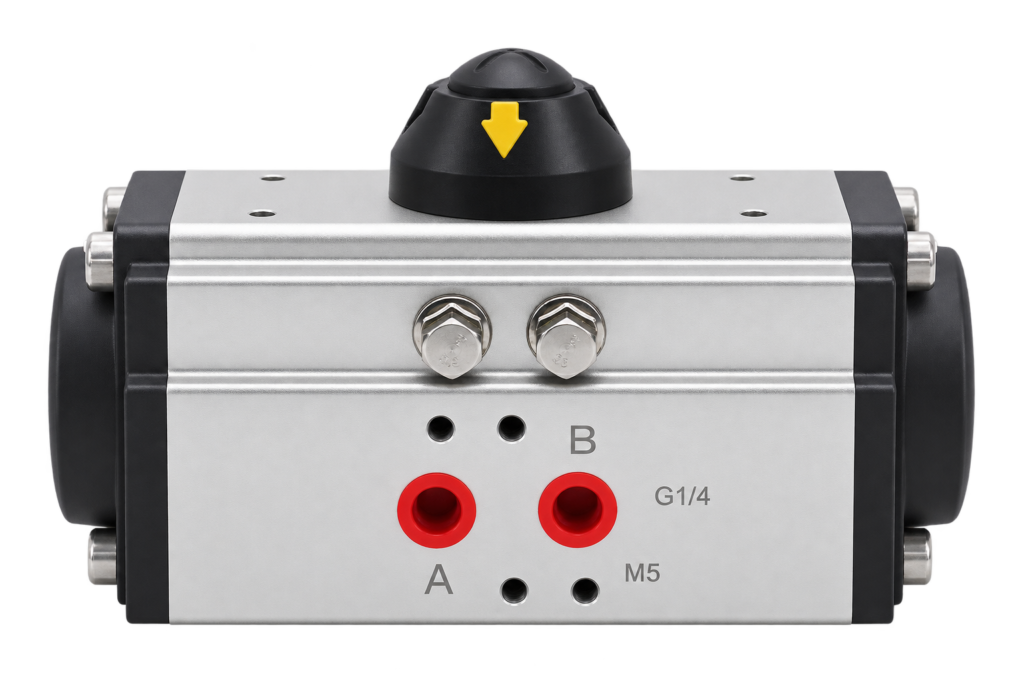
Air-powered rotary actuators, including double-acting, spring-return and three-position arrangements. Select using valve load, minimum air pressure and required failure response.
Explore RangeValve automation shaped around the way your industry works. Explore electric and pneumatic actuation for water, general industry, chemicals, power, oil and gas, and mining. We help you turn process conditions and control requirements into a clear starting point for equipment selection.
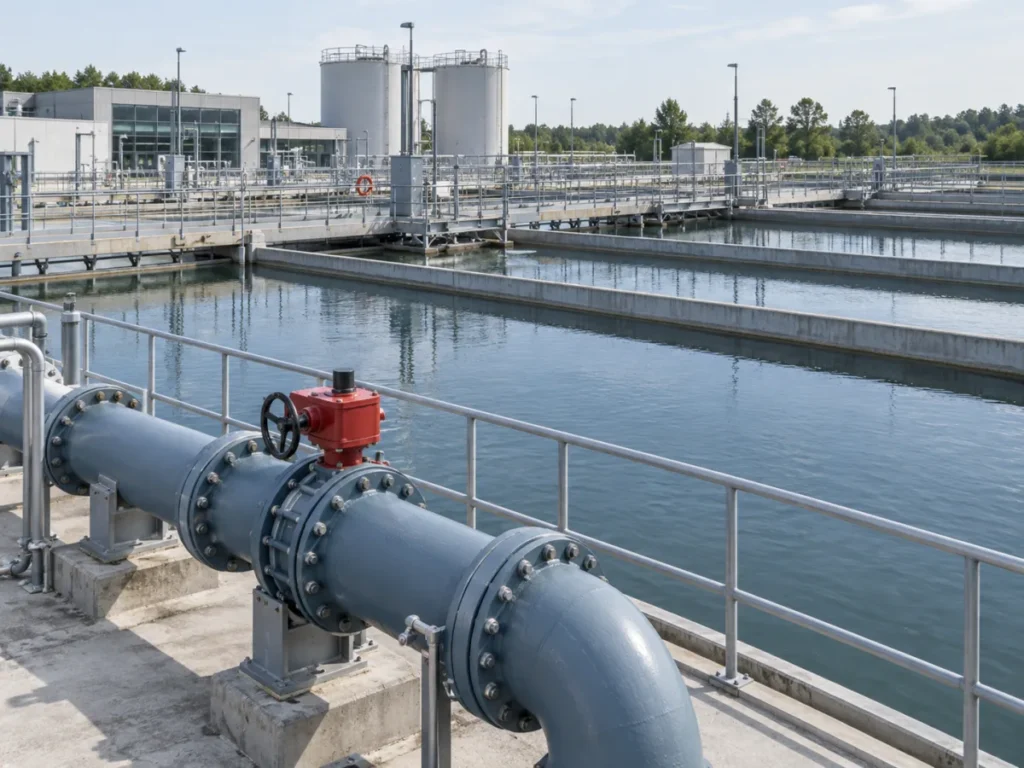
Valve automation for water treatment, distribution and wastewater processes. From filtration and pumping to storage and discharge, SHE helps you match actuator motion and control to the needs of your system. Share your operating conditions to discuss an actuator or complete valve assembly.
Discuss Application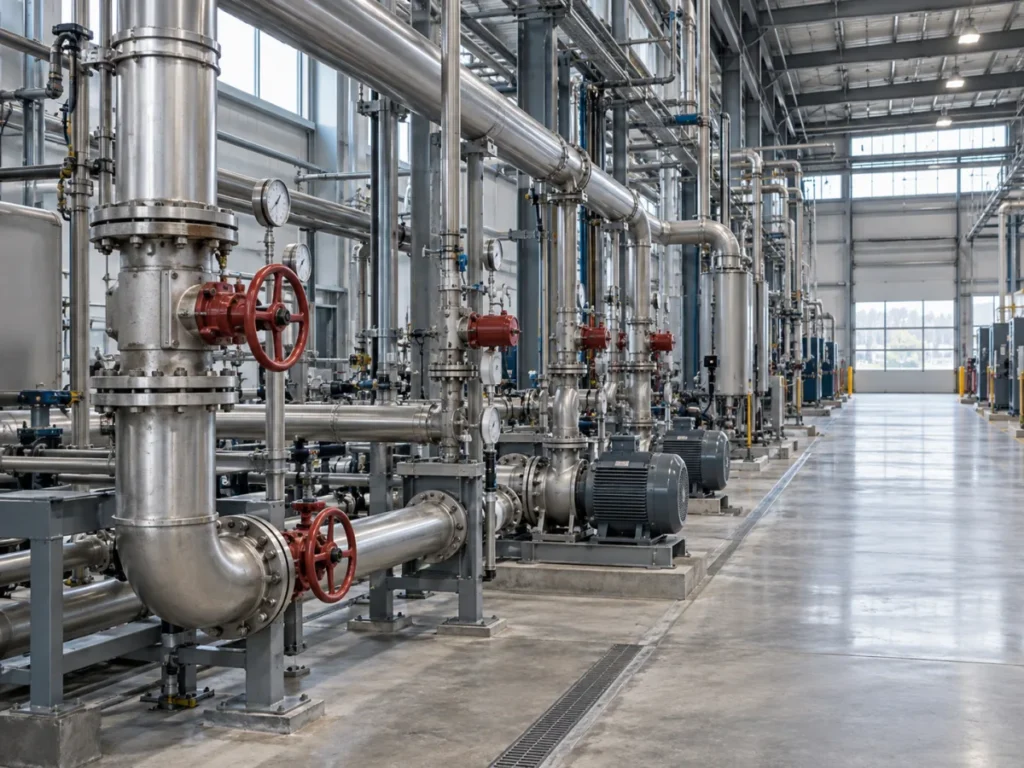
Keep everyday processes moving with valve automation selected around your production requirements. For manufacturing facilities, utility systems and process lines, SHE helps you bring valve motion, operating duty and control signals together in a configuration suited to your application.
Discuss Application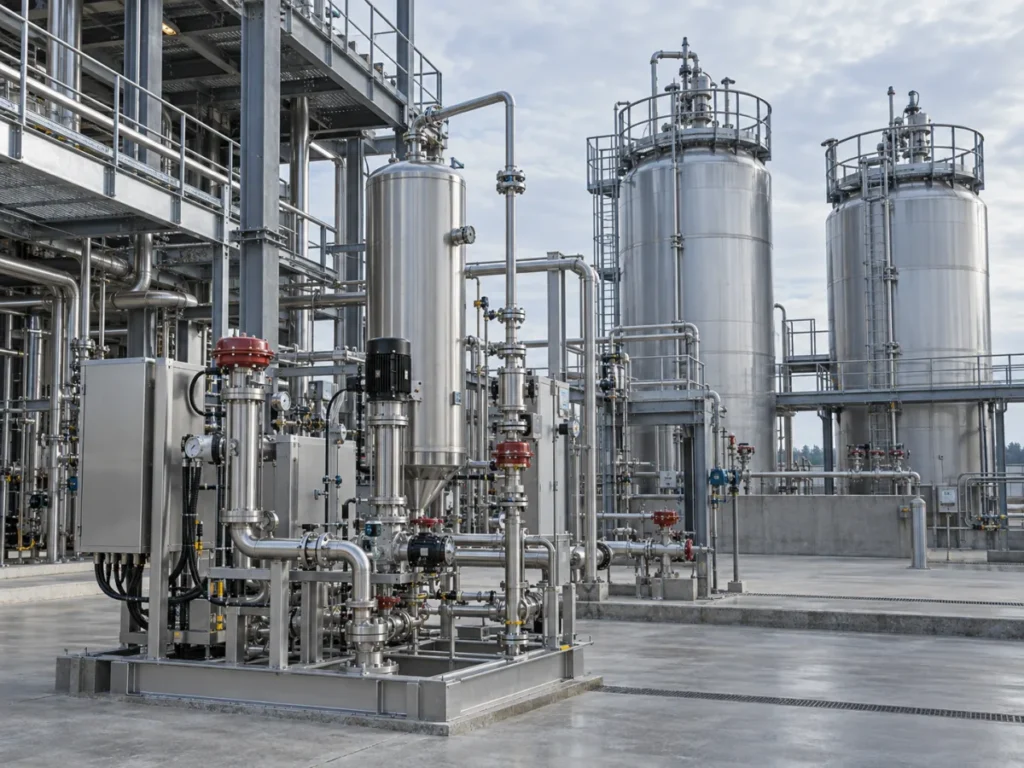
Chemical processes demand careful attention to the medium, materials and operating environment. SHE helps you define valve actuation requirements for fluid transfer, dosing and isolation. Discuss control accuracy, material compatibility and any hazardous-area requirements before selecting the final configuration.
Discuss Application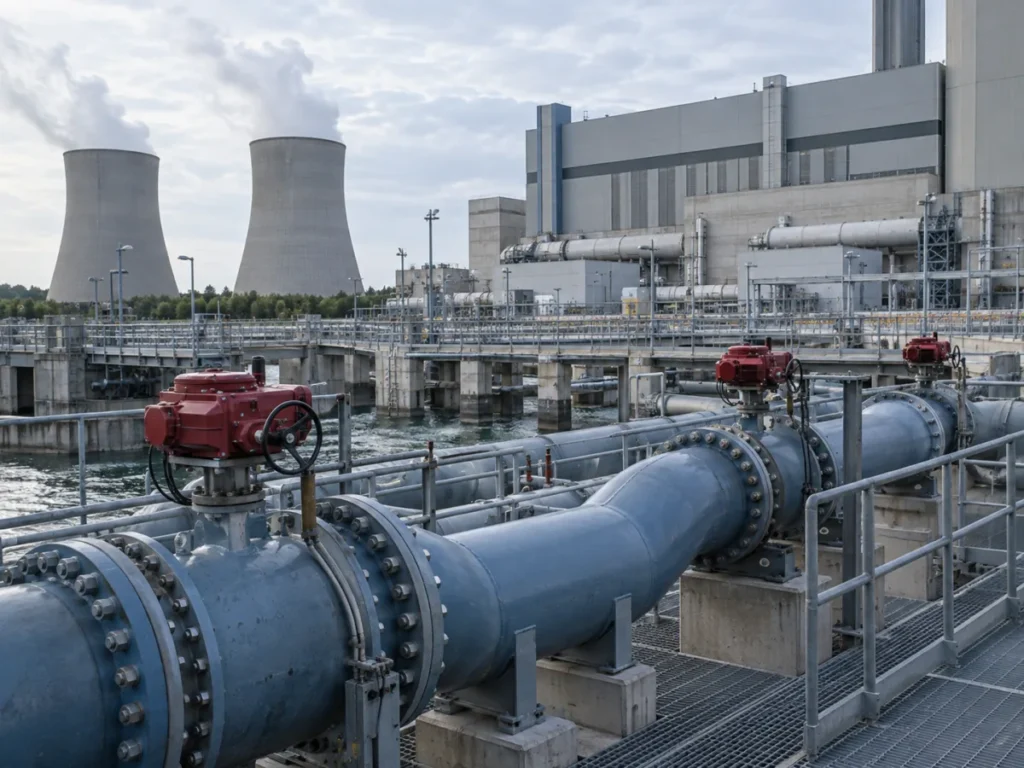
From cooling-water circuits to auxiliary plant systems, valve actuation plays a role in managing flow throughout power facilities. SHE helps you review torque, operating frequency and control requirements, with the proposed configuration checked against the conditions and documentation your project requires.
Discuss Application
Explore valve actuation for oil and gas processing, transfer and storage applications. SHE helps you assess motion, load, control and installation requirements. Where hazardous areas or defined failure responses are involved, confirm the necessary ratings and approvals for the exact proposed equipment.
Discuss Application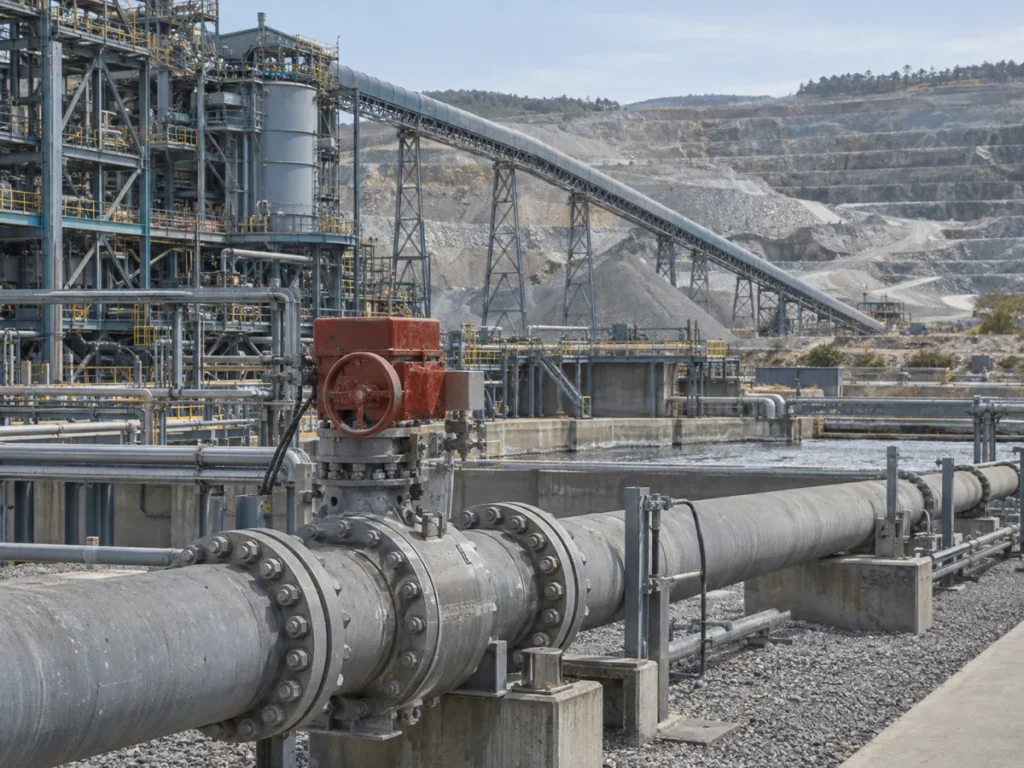
Mining and mineral processing bring demanding conditions, from dust and moisture to abrasive media. SHE helps you assess actuation requirements for process-water circuits, slurry-handling valves and auxiliary systems, taking valve load, operating duty and the installation environment into account.
Discuss ApplicationStart with media, operating pressure, cycling frequency and the installation environment.
Explore ConsiderationsBring material compatibility, control behaviour and documentation into the same discussion.
Explore ConsiderationsReview operating duty, isolation requirements and the response to loss of power.
Explore ConsiderationsA useful specification explains the whole assembly: valve, actuator, mounting and control. Share the required drawings, feedback signals and documentation with your inquiry.
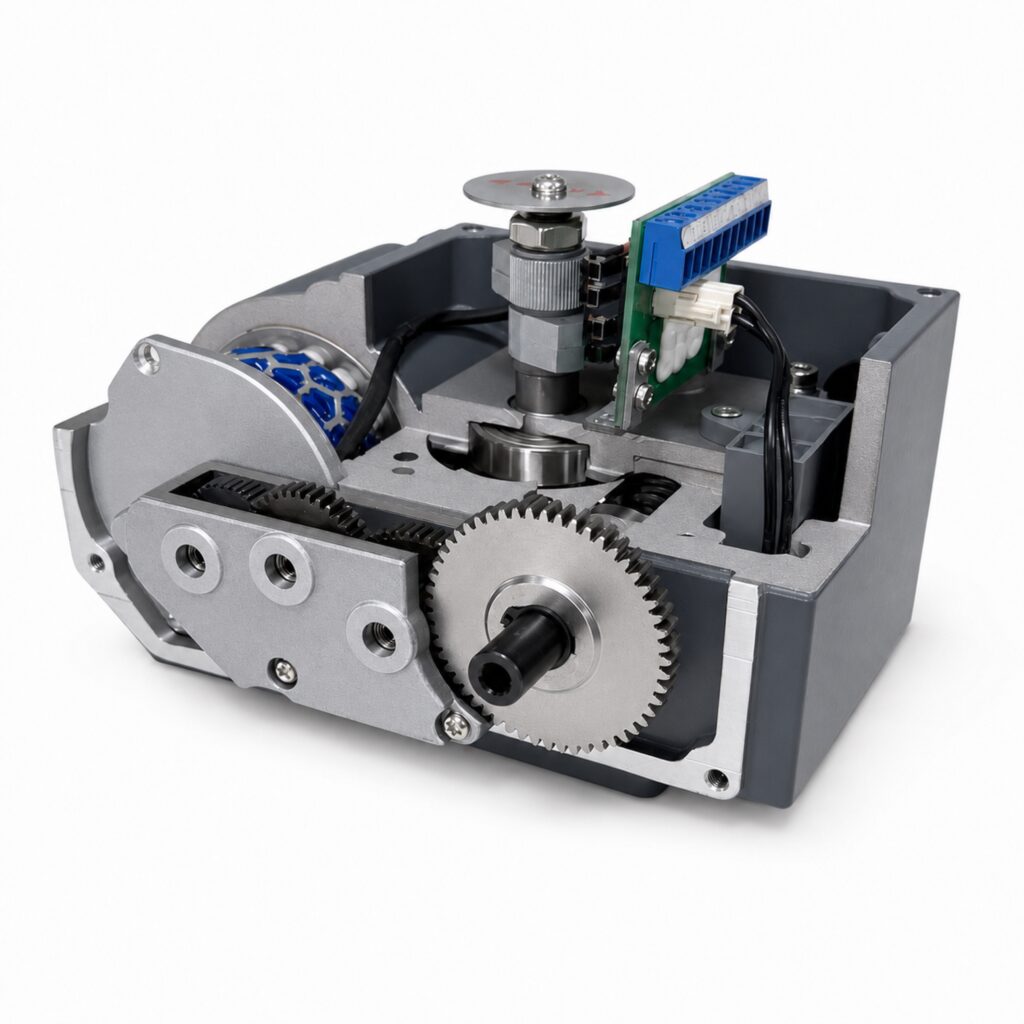
The application data to collect before choosing torque, motion and control.
Read the GuideCompare the energy supply, control approach and failure requirements.
Read the GuideUnderstand the difference between isolation and continuous positioning.
Read the GuideSend your valve details and operating conditions to SHE.