
Electric Valve Actuators
Explore electric valve actuation for industrial valve positioning. Discuss motion, torque, mounting, operating duty and control requirements with SHE.
What is an electric valve actuator?
An electric valve actuator converts electrical power into controlled movement for opening, closing or positioning a valve. Choosing one requires more than matching the actuator to the valve’s nominal size. Confirm the valve motion and full-stroke load, the required output margin, operating time, cycling or positioning duty, available voltage and phase, command signal, position feedback, mounting pattern, shaft or coupling details, installation clearance and environmental conditions. Also define what the valve must do when electrical power or the control signal is lost; that response depends on the proposed mechanism and control arrangement. If the actuator will be fitted to an existing valve, provide the valve identification, manufacturer data, torque or thrust information, interface dimensions and current wiring details. Final ratings, ingress protection, approvals, dimensions and accessories must be verified against the documentation for the selected configuration.
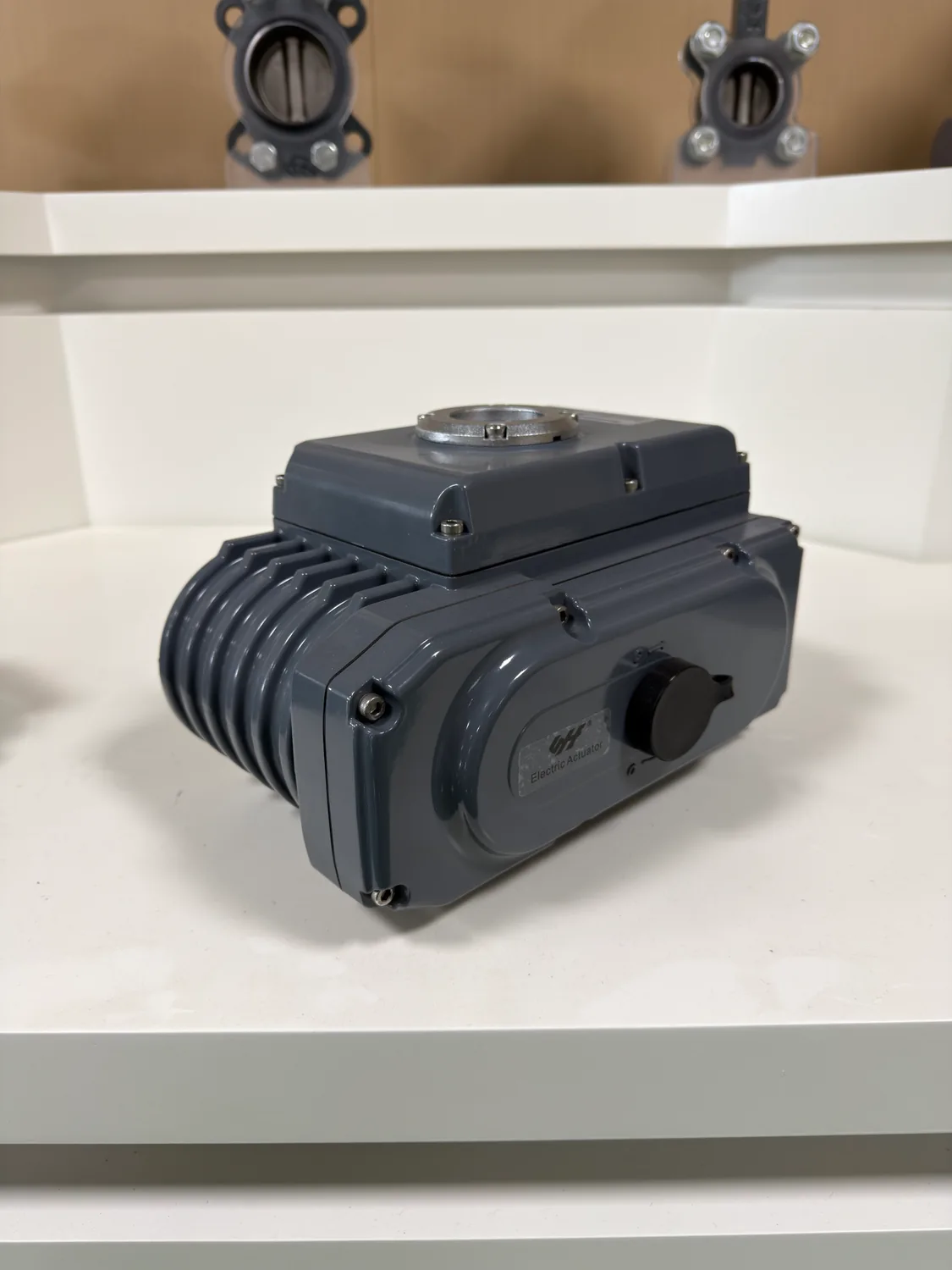
Electric motion.
Application-led selection.
An electric actuator provides the movement needed to open, close or position a valve. The correct unit depends on the valve load and the way the process is controlled.
- Actuator-only selection for valve automation projects.
- Review the mounting interface and available installation space.
- Specify the required control mode rather than assuming all units are identical.
What to confirm before selection
| Selection point | Information needed |
|---|---|
| Valve motion | Required angle or travel and the valve’s opening and closing direction. |
| Torque and duty | Valve torque across the full stroke, expected cycling and required operating time. |
| Electrical supply | Available voltage, frequency, phase and site electrical requirements. |
| Control and feedback | On-off or modulating control, command signal and position feedback needs. |
| Mounting and environment | Interface dimensions, shaft details, clearance and exposure conditions. |
| Power-loss response | Required valve position following power or signal loss; confirm the proposed mechanism. |
A closer look
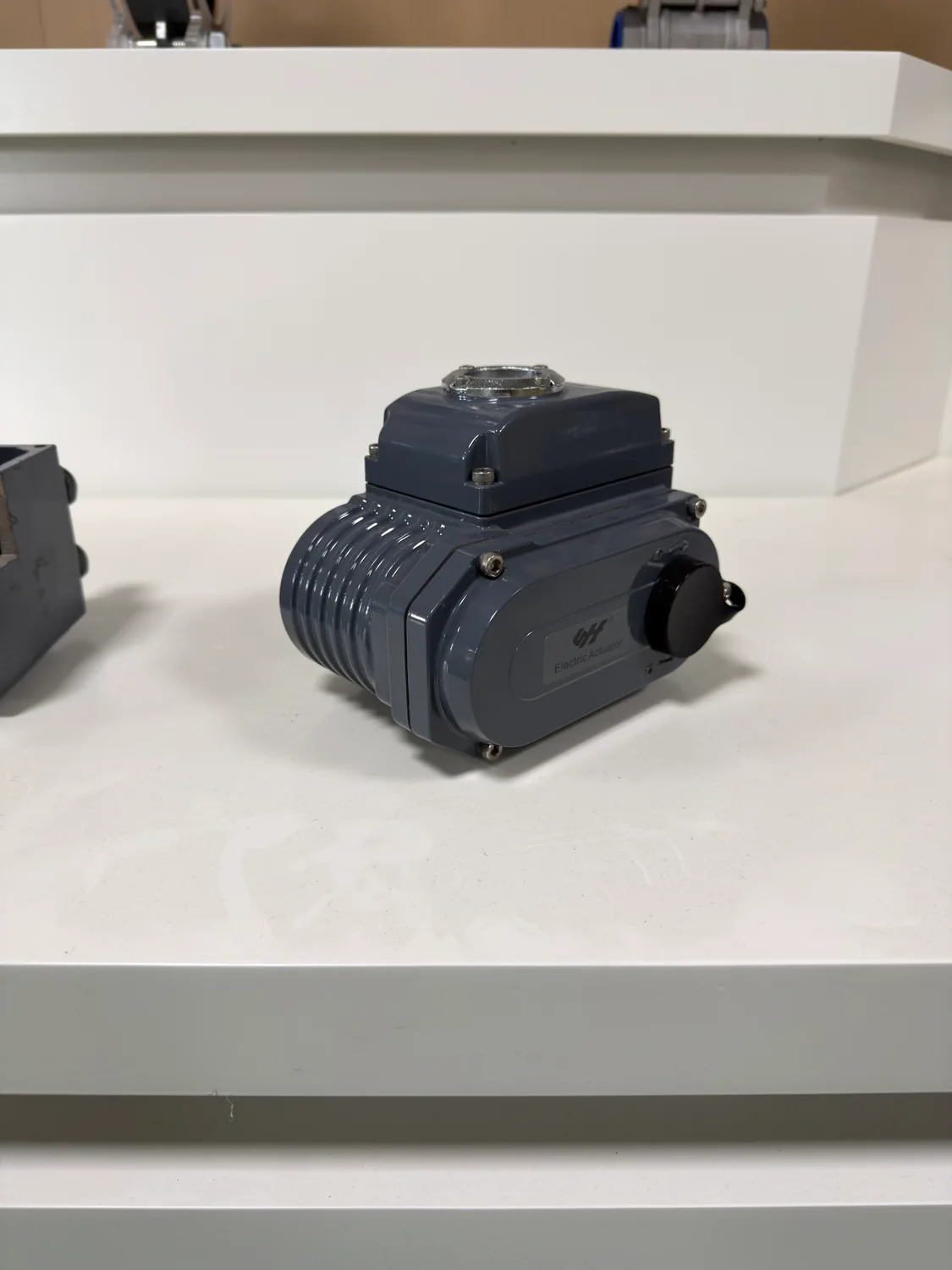
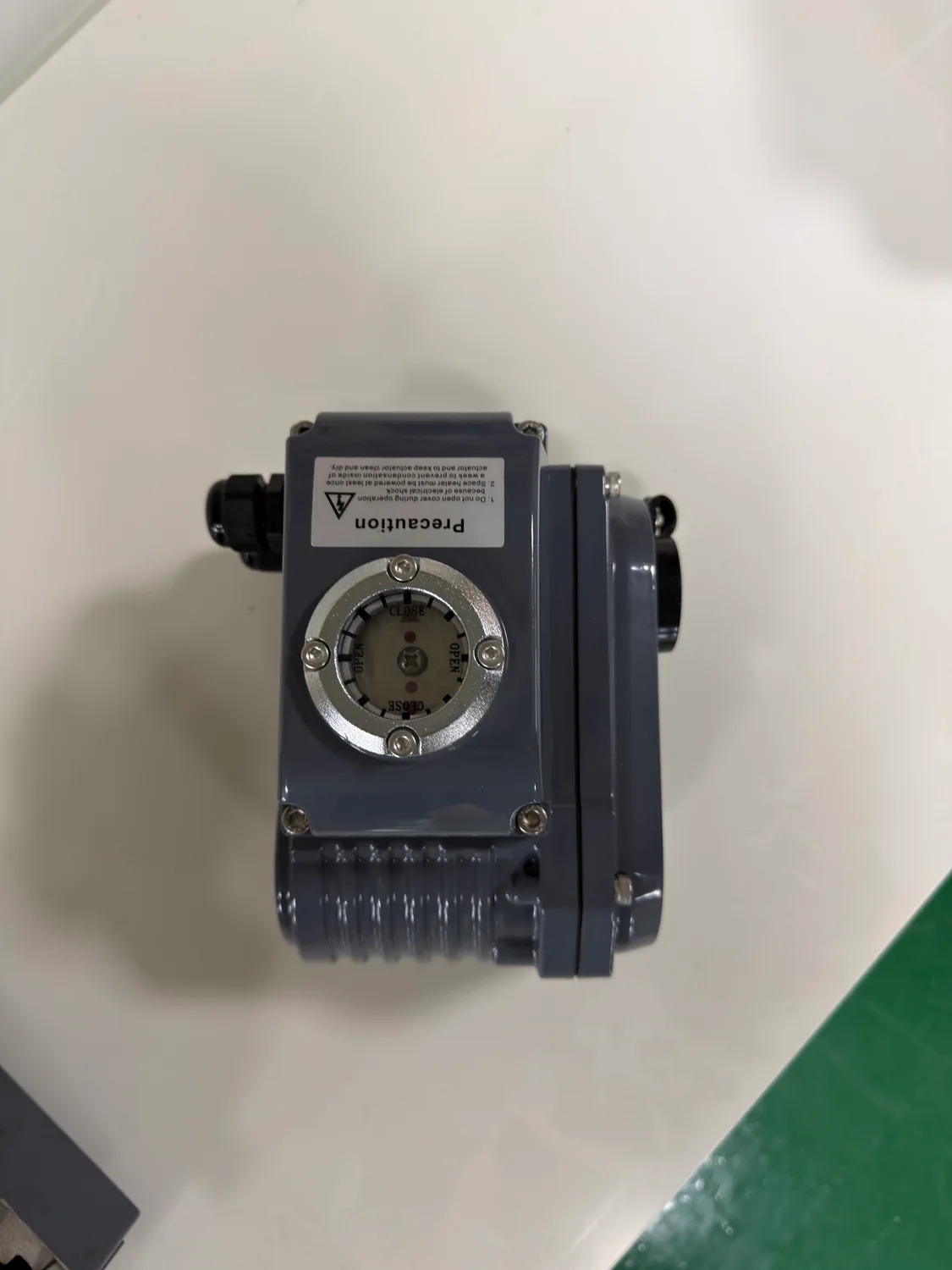
Use the photos to discuss the arrangement, not to infer unseen features. A matching appearance alone does not confirm voltage, ingress protection, hazardous-area approval or operating duty.
Frequently asked questions
Can I buy an actuator for an existing valve?
Send the valve details, torque requirement and mounting dimensions. Compatibility must be reviewed as an assembly, not just by actuator appearance.
Are all electric actuators modulating?
No. The control mode and operating duty depend on the selected configuration. State your command signal and expected positioning frequency.
Will the valve return automatically when power fails?
Do not assume automatic return. Ask for the exact power-loss behaviour and any required energy-storage or return mechanism.
Continue your selection
Read the actuator sizing guide and the comparison of on-off and modulating control. For an existing valve, include the nameplate and mounting information in your request.